Men’s Personal Care Market Size and Share Forecast Outlook 2025 to 2035
Men’s Personal Care Market Size and Share Forecast Outlook 2025 to 2035
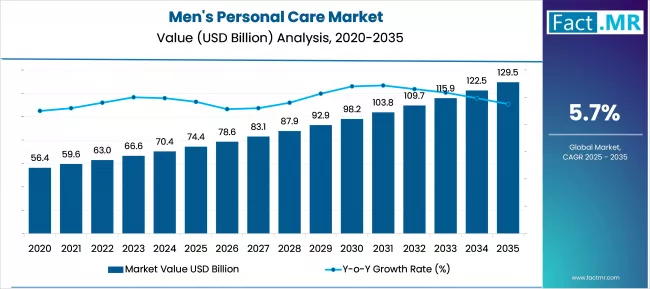
The global men’s personal care market is projected to increase from USD 74.4 billion in 2025 to USD 129.5 billion by 2035, with a CAGR of 5.7% during the forecast period. Rising grooming awareness, disposable incomes, and changing cultural perceptions of male self-care are driving the men’s personal care market.
While e-commerce and digital platforms make skincare, haircare, and grooming more accessible, younger consumers are turning to them. The demand for natural, multifunctional, and high-quality products, as well as the trend of premiumization, is driving market growth.
Quick Stats of Men’s Personal Care Market
- Men’s Personal Care Market Size (2025): USD 74.4 billion.
- Projected Men’s Personal Care Market Size (2035): USD 129.5 billion
- Forecast CAGR of Men’s Personal Care Market (2025 to 2035): 5.7%
- Leading Product Type Segment of Men’s Personal Care Market: Haircare
- Leading Distribution Channel Segment of Men’s Personal Care Market: Online
- Key Growth Regions of Men’s Personal Care Market: Japan, United Kingdom, China
- Prominent Players in the Men’s Personal Care Market: Procter & Gamble, Reckitt Benckiser, Unilever, L’Oréal, Beiersdorf AG, Others.
| Metric | Value |
|---|---|
| Industry Size (2025E) | USD 74.4 billion |
| Industry Size (2035F) | USD 129.5 billion |
| CAGR (2025-2035) | 5.7% |
The global men’s personal care market is expected to grow from USD 74.4 billion in 2025 to USD 129.5 billion by 2035, at a CAGR of 5.7%. This growth is driven by men’s increasing awareness of personal grooming, skincare, and hygiene, as well as a steady increase in disposable income.
The market includes a diverse range of products, such as moisturizers, face washes, hair care products, shaving creams, deodorants, and fragrances, all tailored to the specific needs of male skin and hair.
The market is expected to reach USD 78.6 billion in 2026, USD 83.1 billion in 2027, and USD 87.9 billion in 2028, followed by USD 92.9 billion in 2029, USD 98.3 billion in 2030, and USD 103.9 billion in 2031.
By 2032, the market is expected to be worth USD 109.8 billion, rising to USD 116.1 billion in 2033, USD 122.8 billion in 2034, and finally USD 129.5 billion in 2035, reflecting both changing consumer behavior and increasing adoption of male-specific grooming routines.
The trend toward self-care and specialized grooming products is having an increasingly significant impact on the men’s personal care market. As societal perceptions of masculinity shift, grooming and skincare are now considered essential for men of all ages. Younger demographics, particularly Generation Z, are becoming increasingly aware of personal care.
According to a recent study, nearly 70% of Gen Z men in the United States are expected to use facial skincare products by 2024, highlighting the segment’s growth potential.
Skincare remains a key market driver. Moisturizers, day/night creams, and lotions made up more than 40% of male skincare usage in 2023, indicating a strong consumer preference for healthy, well-maintained skin. Meanwhile, demand for men’s hair care products is growing.
According to Geehair, men spend an average of 37 minutes per day on hair care, and by 2023, 45% of Gen Z males are expected to have adopted hair care routines. These trends highlight the growing importance of targeted, male-specific formulations.
Rising disposable incomes, urbanization, and increased access to premium grooming products continue to open up new opportunities for industry players. Companies are focusing on innovative product launches, digital marketing, and influencer-led campaigns to engage younger customers.
The market’s trajectory from USD 74.4 billion in 2025 to USD 129.5 billion in 2035 demonstrates a strong growth path driven by demographic shifts and lifestyle trends, ensuring continued expansion in the skincare, hair care, shaving, and fragrance segments.
Key Men’s Personal Care Market Dynamics
Several key factors drive the men’s personal care market, including rising grooming awareness as modern men prioritize self-care for both professional and personal appearance.
This trend is exacerbated by the rise of e-commerce and digital platforms, which provide easy access and personalized recommendations, as well as increased disposable income and consumer sophistication, which lead to a greater willingness to spend on premium products.
The market faces significant constraints, such as consumer skepticism and a lack of product knowledge, which can limit the adoption of specialized items. Furthermore, regulatory changes and the need for brands to adapt to new standards can be difficult, while market fragmentation and intense competition require businesses to constantly differentiate themselves in order to gain and maintain market share.
Rising Grooming Awareness
Rising grooming awareness is a major driver in the Men’s Personal Care market, as modern men increasingly see self-care as critical to their personal and professional appearance. Skincare, haircare, and grooming routines are becoming more commonplace, particularly among urban and younger consumers.
The influence of social media, celebrities, and lifestyle trends has further boosted adoption. Male-focused tutorials, influencer endorsements, and targeted campaigns educate men on the benefits of the product, encouraging them to use it regularly. This cultural shift is driving up market demand and creating opportunities for both premium and mass-market personal care products.
Rise of E-commerce and Digital Platforms
The rise of e-commerce and digital platforms is changing the Men’s Personal Care market by making products more accessible to tech-savvy customers. Online stores, brand websites, and mobile apps appeal to younger buyers because they provide convenience, a diverse product offering, and personalized recommendations.
Digital marketing, influencer collaborations, and subscription services are increasing brand engagement and loyalty. Social media tutorials, reviews, and targeted ads raise awareness of grooming routines and new products, allowing brands to reach a larger audience, expand sales channels, and capitalize on the growing trend of online shopping for men’s personal care.
Increased Disposable Income and Consumer Sophistication
Rising disposable incomes and increased consumer sophistication are driving the growth of the Men’s Personal Care market. Modern male consumers, particularly in urban areas, are willing to invest in high-quality skincare, haircare, and grooming products that enhance their appearance and lifestyle.
This trend is being driven by exposure to global beauty standards, social media influence, and professional grooming expectations. As men seek high-quality, multifunctional, and innovative products, brands can provide specialized, science-backed, and luxurious solutions that cater to changing preferences and increased purchasing power.
Consumer Hesitation and Lack of Product Knowledge
The Men’s Personal Care market faces challenges due to consumer hesitation and lack of awareness. Many men are still unaware of the benefits of specialized grooming products, resulting in cautious purchasing and reliance on generic, mass-market items.
Lack of product knowledge also influences the adoption of premium or multifunctional offerings. Male consumers may be hesitant to try new products if they are not properly guided or given clear information about their usage and benefits. Brands must invest in education, marketing, and demonstrations to foster trust and informed purchasing decisions.
Regulatory Changes and Brand Adaptation
Regulatory changes in the Men’s Personal Care market may have an impact on product formulation, labeling, and marketing. Stricter safety and ingredient standards require brands to follow changing government guidelines to ensure consumer protection and product credibility.
Brands must adapt by reformulating their products, updating packaging, and maintaining transparency in their claims. Companies that proactively align with regulations gain consumer trust and a competitive advantage, whereas those that lag risk penalties or reputational damage. This dynamic encourages innovation and higher-quality offerings in the male grooming industry.
Market Fragmentation and Competition
The Men’s Personal Care market is highly fragmented, with many local, regional, and international brands vying for consumer attention. This fragmentation fosters fierce competition, which drives innovation, aggressive marketing, and diverse product offerings.
Smaller and niche brands frequently focus on specialized solutions, such as natural, organic, or multifunctional products, whereas established players rely on brand recognition and distribution networks. The competitive environment forces companies to differentiate themselves through quality, packaging, digital engagement, and pricing strategies, making brand loyalty a critical factor in maintaining market share.
Analyzing the Men’s Personal Care Market by Key Regions
North America dominates the men’s personal care market. The region’s dominance stems from a strong preference for high-end grooming products, particularly in the United States and Canada, where male grooming routines are well established. Increased awareness of skincare, the rise of male-specific beauty products, and a high level of disposable income all contribute to the market’s strong performance.
In Europe, the men’s personal care market is also thriving, owing to a growing emphasis on personal well-being and grooming habits. The market in this region benefits from well-established retail channels, high disposable incomes, and a preference for luxury and organic products.
Asia Pacific is experiencing the most rapid growth in the men’s personal care sector. Rapid urbanization, rising disposable incomes, and increased exposure to Western beauty and grooming standards all contribute to the region’s market growth.
The market growth in Latin America, the Middle East, and Africa is moderate but promising. Latin America is experiencing an increase in demand for skincare products, particularly among younger consumers, while the Middle East benefits from high disposable incomes and growing grooming awareness, particularly in Saudi Arabia and the United Arab Emirates.
Country-Wise Outlook
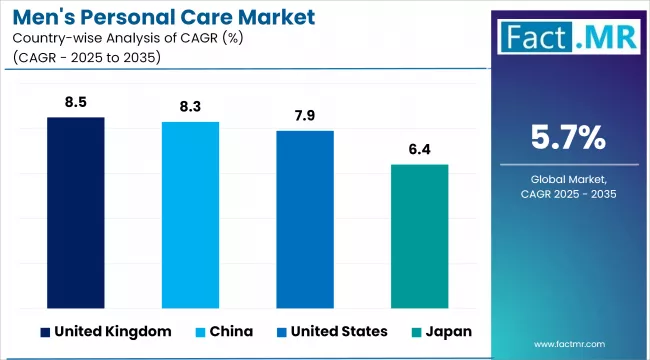
| Country | CAGR (2025-35) |
|---|---|
| Japan | 6.4% |
| United Kingdom | 8.5% |
| China | 8.3% |
Japan: Evolving Men’s Personal Care Market Driven by Grooming Norms, Digital Retail, and Premium Innovation
Japan’s men’s personal care market is rapidly evolving as grooming becomes a more accepted part of male culture. Shifting cultural norms, increased exposure to global beauty standards, and the influence of K-beauty and Western brands are all changing how Japanese men view self-care. Younger consumers, particularly in urban areas such as Tokyo and Osaka, are more willing to invest in skincare, haircare, and fragrance products.
Multifunctional skincare is becoming increasingly popular. Products that combine hydration, anti-aging, and sun protection are becoming popular among busy professionals who prefer straightforward routines. At the same time, premium hair styling products and men’s cosmetics are becoming more popular, with local and international brands creating lines tailored specifically for male consumers.
Digital retail is playing an important role. E-commerce platforms, social media, and influencer-led campaigns are all helping to raise awareness and drive purchases. Male-focused beauty content on platforms like YouTube and Instagram has normalized skincare routines, and subscription boxes with curated men’s products are helping brands gain loyal customers.
Japan’s regulatory framework prioritizes product safety and quality, with stringent requirements for labeling, ingredients, and product claims. This builds trust in the market and encourages global brands to uphold high standards. It also creates opportunities for clean-label, natural, and sustainable products, which are popular with health-conscious consumers.
- Growing male grooming awareness in Japan
- Multifunctional and premium products cater to busy, style-conscious urban professionals
- Digital retail and influencer marketing boost adoption
United Kingdom’s Growing Demand and Innovation in Men’s Personal Care Market
The men’s personal care market in the United Kingdom has expanded beyond traditional grooming, with men investing more in skincare, haircare, and fragrances. A cultural shift is visible, with younger consumers viewing grooming as an essential part of self-care rather than vanity. Premium and luxury products, such as anti-aging moisturizers, beard oils, and designer fragrances, are particularly popular in urban areas like London and Manchester, where lifestyle trends drive demand.
Product innovation is shaping the market. Multipurpose grooming solutions, such as SPF-infused moisturizers and face washes that combine hydration and cleansing, are becoming increasingly popular. Natural and clean-label products containing botanical extracts are gaining popularity, as are specialized offerings for scalp care and men’s hair loss. Niche and direct-to-consumer brands are capitalizing on this momentum by offering tailored solutions that appeal to health-conscious and environmentally conscious consumers.
Digital platforms have emerged as a key growth driver. E-commerce, influencer content, and grooming subscription boxes are increasing product accessibility and encouraging experimentation. Social media campaigns and YouTube grooming tutorials have a particularly strong influence on younger men’s purchasing decisions. Traditional channels, such as department stores and pharmacy retailers, remain important touchpoints for product sampling and expert guidance.
- Younger UK men increasingly view grooming as essential self-care, not just vanity
- Premium and luxury products gain traction in urban centers like London and Manchester
- Traditional retail and digital platforms together enhance product sampling, guidance, and sales
China’s Rising Demand and Evolving Standards in the Men’s Personal Care Market
China’s men’s personal care market is expanding rapidly as grooming becomes an essential part of daily life. Younger men, particularly those in tier one and tier two cities, are showing a strong interest in skincare, hair styling, and premium grooming products. This shift is closely tied to lifestyle goals, professional image, and increasing disposable income.
The growing demand for specialized men’s skincare is a significant driver. Products for oily skin, acne, and sensitivity are gaining popularity, while anti-aging and brightening creams are increasingly marketed to men. Social media and popular culture have influenced the acceptance of male grooming cosmetics such as tinted moisturizers and concealers.
The National Medical Products Administration’s regulations ensure that men’s grooming products meet strict quality standards. The regulatory framework promotes transparency in ingredients and claims, aligning with consumer demand for safe, clean, and science-backed products. This environment presents opportunities for domestic and international brands to innovate and cater to China’s evolving male grooming needs.
- Rising interest in specialized men’s skincare and grooming products
- Influence of social media and popular culture on male grooming acceptance.
- Regulatory support ensuring product safety, transparency, and innovation opportunities
Category-wise Analysis
Haircare is the Dominant Segment in Men’s Personal Care Market
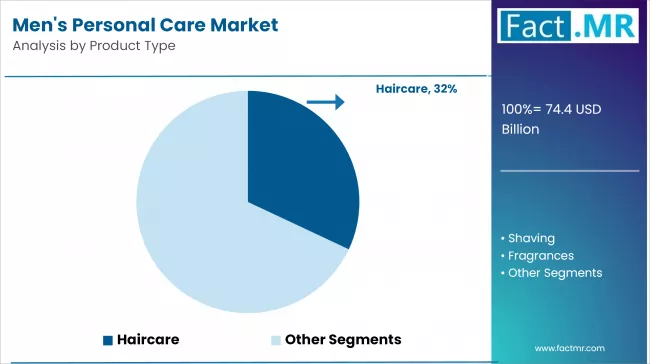
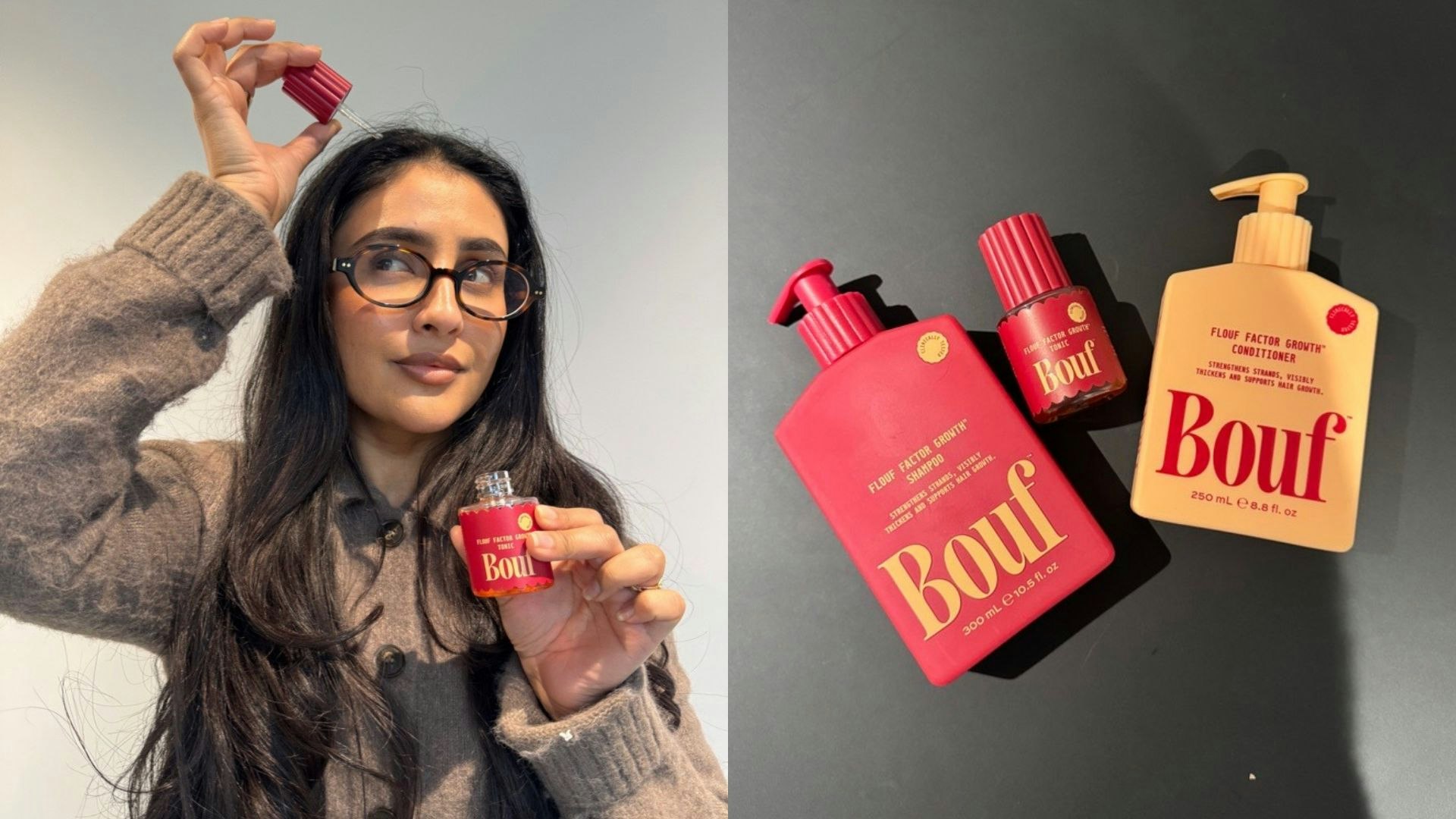
The haircare segment dominates the men’s personal care market, owing to men’s growing awareness of hair health, styling, and grooming needs. Premium shampoos, conditioners, hair oils, and styling products that treat hair loss, dandruff, dryness, and scalp care are in high demand.
Urbanization, changing lifestyles, and social media influence have all encouraged men to maintain regular haircare routines, while grooming trends and celebrity endorsements increase product visibility.
Brands also emphasize on natural, organic, and scientifically advanced formulations to appeal to health-conscious consumers. Continuous product innovation, combined with easy availability via retail and online channels, ensures that haircare remains the dominant segment in men’s personal care worldwide.
- Rising male awareness of hair health and grooming drives demand
- Premium, natural, and advanced formulations attract health-conscious consumers
- Urbanization, social media, and easy retail/online access boost market dominance
Online to Exhibit Leading by End-Use
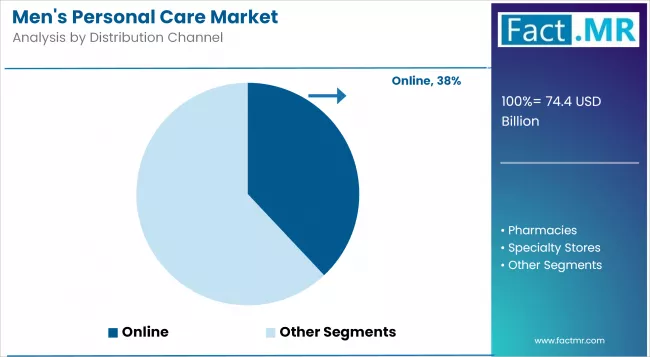
The online segment has the largest share of the men’s personal care market, thanks to the convenience, variety, and accessibility it provides to customers. Men can browse and buy products ranging from haircare and skincare to grooming essentials through e-commerce platforms, brand-owned websites, and mobile apps, which frequently include personalized recommendations and subscription options. Promotional offers, easy returns, and home delivery benefit the segment by improving the overall shopping experience.
Growing digital adoption, particularly among millennials and Gen Z, has accelerated online sales, while social media marketing, influencer endorsements, and targeted campaigns have increased engagement. Because of its reach and efficiency, the online channel is the world’s leading distribution platform for men’s personal care.
- Convenience and variety make online the preferred shopping channel
- Personalized recommendations, subscriptions, and promotions enhance customer experience
- Digital adoption and influencer marketing drive engagement and sales growth
Competitive Analysis
The men’s care products market features a competitive landscape that encompasses both established global players and emerging local brands. Major market players continually strive to innovate and differentiate their products to maintain a competitive edge.
Companies prioritize research and development, investing heavily in new formulations, packaging, and marketing strategies to attract and retain customers. Strategic mergers, acquisitions, and partnerships are also common in the competition, with the goal of expanding product portfolios and market reach.
Brand loyalty is crucial in the men’s care products market, as consumers often remain loyal to brands that consistently deliver high-quality products and results. Companies capitalize on this loyalty by introducing product lines that cater to various aspects of grooming, ensuring that consumers can meet all of their grooming needs under one brand. This strategy not only enhances brand loyalty but also increases the average revenue per customer.
Brands are also focusing on sustainability and ethical practices, which resonate with modern consumers and contribute to a positive brand image. Procter & Gamble is a major player in the men’s grooming products market, with well-known brands such as Gillette and Old Spice. These brands have a strong global presence and are renowned for their excellence and innovation.
Unilever, another major player, sells a wide range of men’s care products under brands such as Dove Men+Care and Axe. The company’s emphasis on natural ingredients and environmentally friendly practices has contributed to its market success.
Key Players in the Market
- Procter & Gamble
- Reckitt Benckiser
- Unilever
- L’Oréal
- Beiersdorf AG
- Johnson & Johnson
- Coty Inc.
- Estee Lauder Companies Inc.
- Edgewell Personal Care Company
- Kao Corporation
Recent Developments
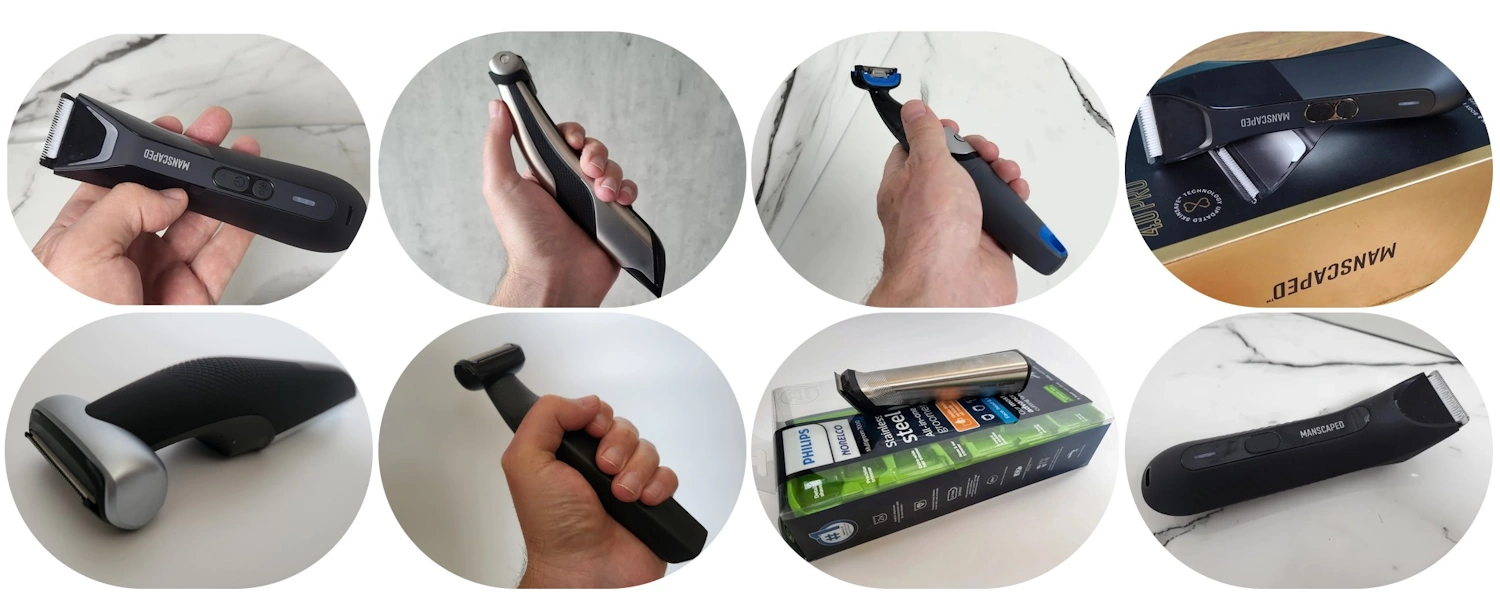
- In May 2025, Manscaped has unveiled Skin Ultra, a new skincare line designed specifically for men that includes products such as face wash and moisturizer. This launch marked the brand’s expansion into the men’s skincare segment, with the goal of meeting the growing demand for male grooming products.
- In February 2025, Suave Brands launched a new line of men’s personal care products, including shampoos, conditioners, and more. The new line was introduced to increase the company’s presence in the men’s personal care market and to provide low-cost, high-quality grooming solutions.
Segmentation of Men’s Personal Care Market
-
By Product Type :
- Haircare
- Shaving
- Fragrances
- Skincare
- Others
-
By Distribution Channel :
- Online
- Pharmacies
- Specialty Stores
- Supermarkets/Hypermarkets
- Others
-
By Region :
- North America
- Latin America
- Western Europe
- Eastern Europe
- East Asia
- South Asia & Pacific
- Middle East & Africa
link