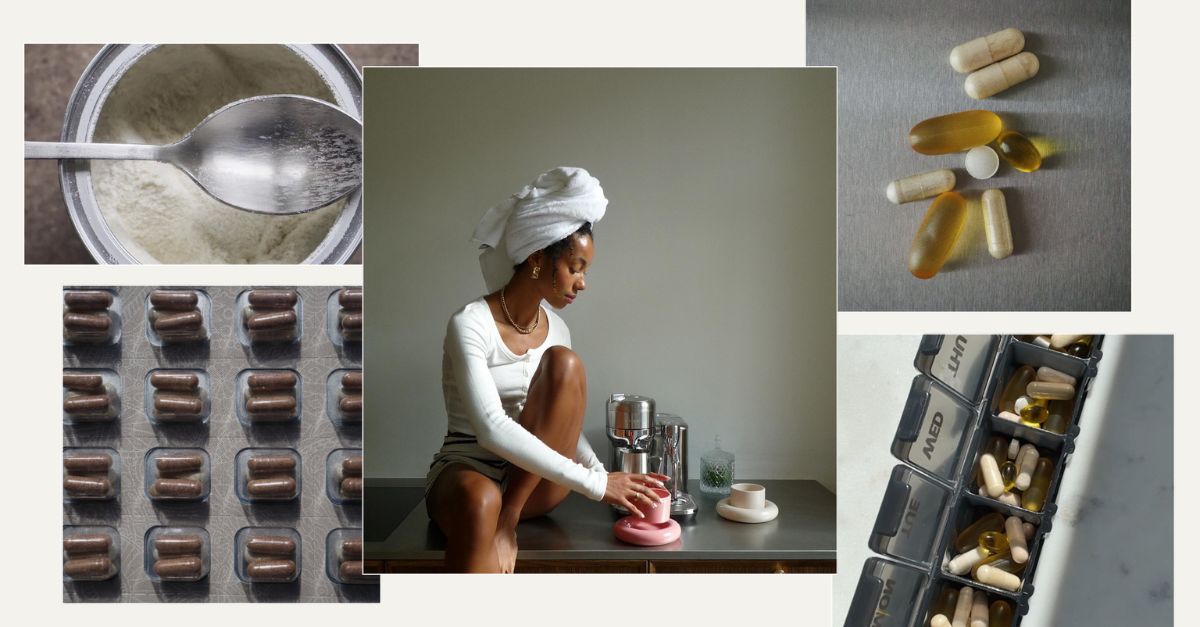
The global beauty supplements market is projected to grow from USD 3.96 billion in 2025 to USD 5.76 billion by 2030, with a CAGR of 7.8%. Driven by increasing consumer interest in skincare, hair health, and anti-aging, the demand for products like collagen and biotin has surged. Regulatory frameworks such as DSHEA and innovations in clean-label, plant-based, and personalized supplements contribute to market dynamics. Asia Pacific leads the market share due to rising holistic wellness trends. Major players like Unilever and Shiseido are key influencers, capitalizing on consumer needs and technological advancements to drive further growth.
Beauty Supplements Market
Beauty Supplements Market
Dublin, April 17, 2025 (GLOBE NEWSWIRE) — The “Beauty Supplements Market by Ingredients Type (Antioxidants, Vitamins & Minerals, Omega-3 Fatty Acids, Collagen, Hyaluronic Acid, Probiotics, Other Ingredients Type), Target Consumer, Form, Distribution Channel, Function, and Region – Global Forecast to 2030” has been added to ResearchAndMarkets.com’s offering.
The global beauty supplements market is projected to grow from USD 3.96 billion in 2025 to USD 5.76 billion by 2030, exhibiting a CAGR of 7.8%
This comprehensive report will assist market leaders and new entrants in understanding the competitive landscape and identifying strategic opportunities. It offers crucial insights into market trends, consumer preferences, and emerging opportunities, making it an invaluable resource for stakeholders looking to enhance their market strategies.
This remarkable growth is driven by an increased emphasis on skincare, hair health, and anti-aging solutions, along with a rising demand for personalized nutrition, spurring interest in supplements like collagen, biotin, and antioxidants.
Regulatory frameworks, including the Dietary Supplement Health and Education Act of 1994 (DSHEA), mandate strict adherence to safety and labeling standards. The FDA actively ensures compliance, bolstering consumer trust and maintaining product integrity. Innovations in delivery formats, such as liquid, chewable, and powder-based supplements, are responding to consumer demand for easy-to-use products. The market is also experiencing a notable shift towards clean-label and plant-based products, pushing manufacturers to adopt sustainable, science-backed ingredients.
Technological advancements, including AI-driven personalization and DNA-based supplements, are transforming traditional sales models. Personalized solutions that cater to individual needs are increasingly preferred, and companies leveraging consumer data and subscription models are gaining market momentum.
The capsules, tablets, and softgels segment dominates the market by form.
These forms are favored for their ease of use, accurate dosing, and wide availability. Ingredients like collagen and biotin are commonly delivered in these formats, offering uniform intake and convenience, enhancing their popularity among consumers seeking effective beauty treatments.
The vitamins segment is projected to grow significantly.
The surge in vitamin use, especially post-pandemic, has increased focus on health and wellness, with 91% of Americans enhancing their consumption of VMS products. This trend opens opportunities for beauty companies to penetrate the supplement sector. Unilever, with brands like Olly and Nutrafol, exemplifies capitalizing on this trend.
Asia Pacific leads in beauty supplements market share.
The region sees robust growth due to heightened awareness of holistic wellness across China, Japan, and South Korea. Innovations like Shiseido’s probiotic powder Ultimune and LG Household & Health Care’s Vital Garden products underscore regional dominance. The demand for omega-3-based supplements is soaring, particularly in South Korea, India, and Japan, reflecting the region’s pioneering role in global beauty solutions.
Apart from major players like Amway Corp, Nestlé, and Nu Skin, other industry leaders include Meiji Holdings, Herbalife, and Unilever. Rising players such as Wild Nutrition and Codeage LLC are also gaining traction, contributing to a dynamic and competitive marketplace.
Insights Offered:
Key drivers and challenges influencing market growth.
New product launches and innovation insights.
Market development opportunities across various regions.
Comprehensive competitive assessment of leading market players.
Key Attributes:
Report Attribute
Details
No. of Pages
340
Forecast Period
2025 – 2030
Estimated Market Value (USD) in 2025
$3.96 Billion
Forecasted Market Value (USD) by 2030
$5.76 Billion
Compound Annual Growth Rate
7.8%
Regions Covered
Global
Market Dynamics
Drivers
Restraints
Opportunities
Challenges
Case Study Analysis
AI to Discover New and Effective Ingredients
AI-Personalized Beauty Supplements
Rising Use of AI in Beauty Industry
Company Profiles
Amway Corp
Nestlé
Nu Skin
Meiji Holdings Co. Ltd
Herbalife International of America, Inc.
Unilever
H&H Group
Nature’s Sunshine Products, Inc.
Otsuka Holdings Co. Ltd.
Haleon Group of Companies
Vitaco
Vitabiotics Ltd
Merz Consumer Care GmbH
Nordic Naturals
Kinohimitsu
Vita Green Health Products Co Ltd
Wild Nutrition
Codeage LLC
Bio Medical Pharma
Absolute Collagen
Beautywise
Chicnutrix
Hum Nutrition Inc
Alfa Vitamins Laboratories, Inc
Greatlife Group Ab
For more information about this report visit
About ResearchAndMarkets.com ResearchAndMarkets.com is the world’s leading source for international market research reports and market data. We provide you with the latest data on international and regional markets, key industries, the top companies, new products and the latest trends.
Attachment
CONTACT: CONTACT: ResearchAndMarkets.com Laura Wood,Senior Press Manager [email protected] For E.S.T Office Hours Call 1-917-300-0470 For U.S./ CAN Toll Free Call 1-800-526-8630 For GMT Office Hours Call +353-1-416-8900