Nu Standard CEO advocates for hair care transparency amid health risk concerns
As concerns mount over potential health risks linked to chemical hair straighteners, one Black-owned haircare company is positioning itself as part of the solution.
DALLAS — As concerns mount over potential health risks linked to chemical hair straighteners, one Black-owned haircare company is positioning itself as part of the solution.
Her Story
Autumn Yarbrough, founder and CEO of Nu Standard, believes that true beauty starts with what’s beneath the surface.
“The message needs to be focused more so in the Black community about the inner health of hair and where it begins,” she said. “A lot of times we forget that everything starts from the inside.”
She launched her beauty and haircare line in 2020, following her own struggles with hair loss due to alopecia.

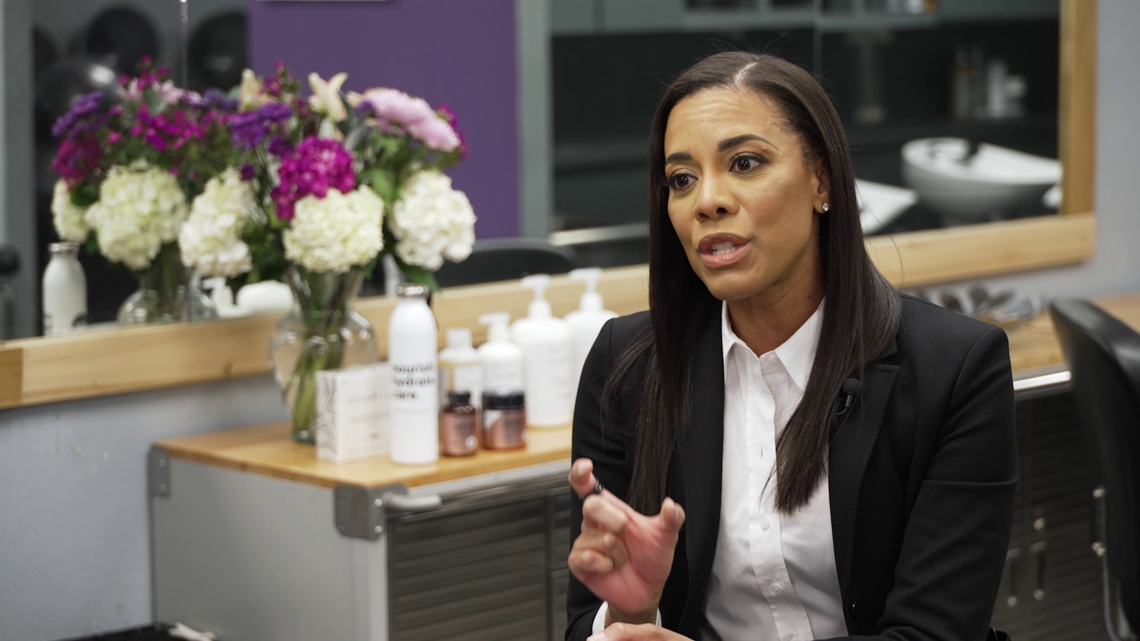
“I was much younger, and I couldn’t understand why I was going through this and then let alone being a black woman, and then having textured hair,” she said. “The products I was using weren’t working.”
The first product she launched was vitamins with a formula to promote overall health, with a focus on scalp and hair wellness.
“We have over 25 unique ingredients that we paid attention to,” Yarbrough said.
Among those ingredients are collagen, magnesium and vitamin D—elements Yarbrough says support overall wellness by addressing factors like gut health and stress.
In addition to supplements, Nu Standard offers shampoo and conditioner bars. The company also produces the Hydrasilk Bond System, a treatment available only to professional stylists trained in its use.
“We created a product that helps aid the health of the hair,” Yarbrough said of the Hydrasilk Bond System. “It reinforces the strength of the hair, and it provides hydration where the client is using less product and then they’re out of the chair they’re having less maintenance.”
For Nu Standard, the goal is to make products that are holistic, safe and accessible- that achieve the shine, density and length that consumers want.
“The side effect to our products is better health,” Yarbrough said.
A Family’s Legacy
In addition to her own hair journey, Yarbrough’s inspiration for creating a haircare line stems from her family’s deep roots in the industry.
Her grandfather, Comer Cottrell Jr, was the original founder of the Pro-Line Corporation- one of the first Black-owned hair care lines that created products specifically for Black hair textures and styles.
“I had an opportunity to learn a lot about the hair care industry, particularly the Black hair care industry,” Yarbrough said.
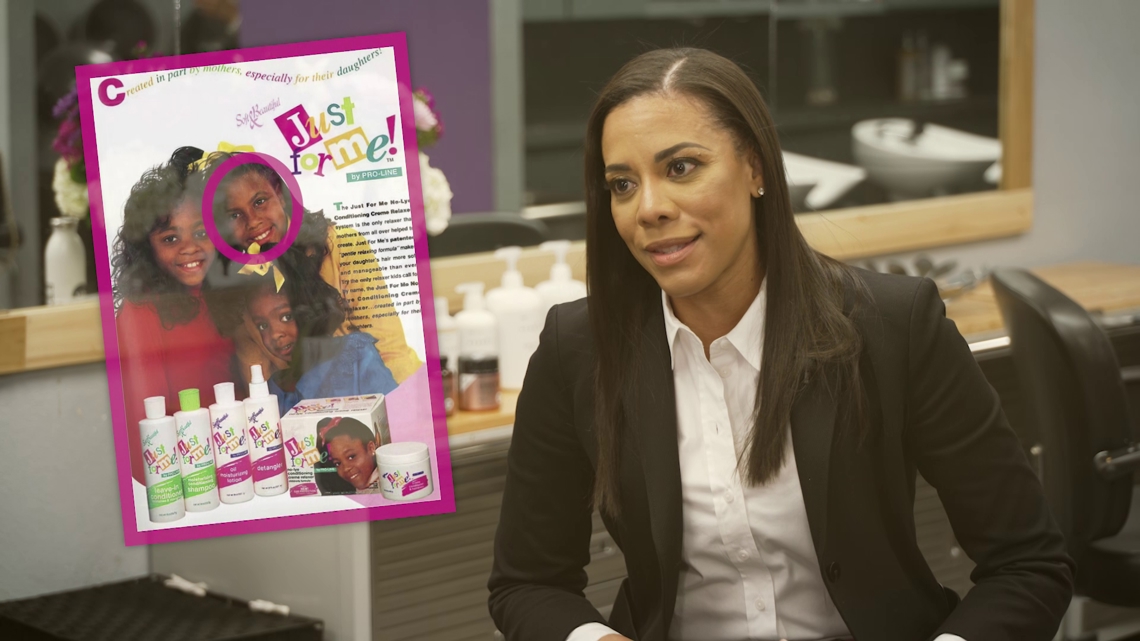
Yarbrough’s mother, Renee Cottrell Brown, created the Just for Me relaxer system under the Pro-Line Brand. The product is a household name for families seeking a product that achieved straight hair for children.

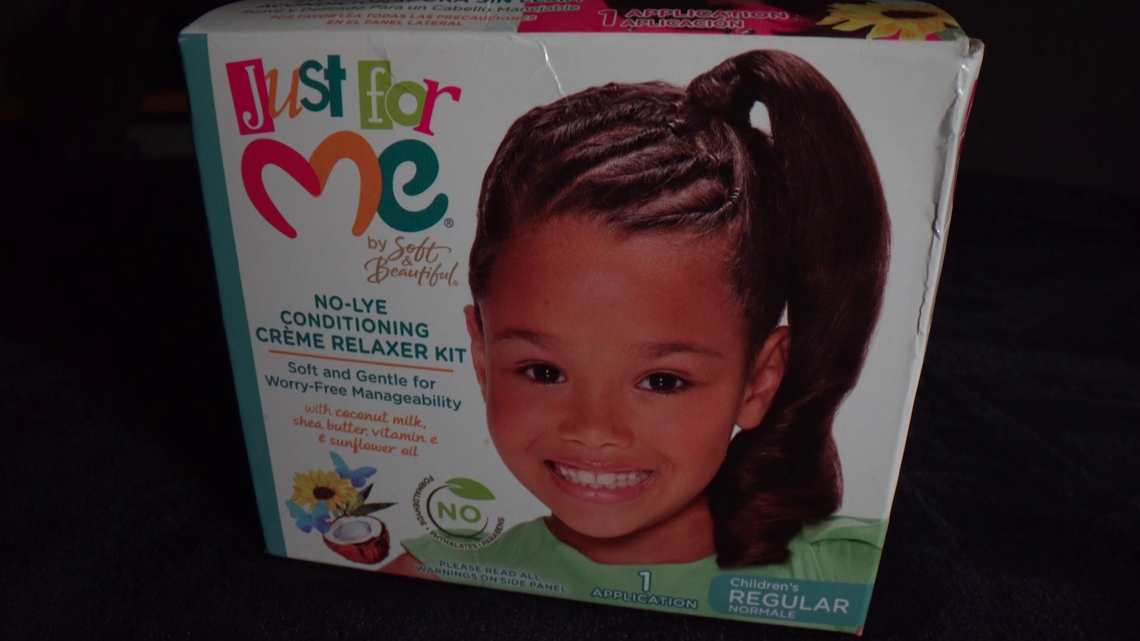
“Belonging in the Black community, and then young Black girls belonging and Black women belonging, all of those things had been missed especially during that time,” Yarbrough said. “It was a championed to have to something called what it was…just for me, and it was brilliant because it was a moment where young Black girls finally felt they belong in the beauty world.”
Yarbrough is proud of the company her family built, the representation they allowed Black consumers to experience, and the way they used success to invest back into their community.
She also acknowledges the current struggles and scrutiny facing some of the products that her family helped create.
“When you’re a founder of a product, I don’t care what kind of product, it is your responsibility and you must be accountable for the products you’re making,” Yarbrough said.
The Legal Fight over Relaxers
In 2022, a research study was published that showed a potential link between chemical hair relaxers and an increased risk of uterine cancer. In 2023, another study was released with the same results.
Thousands of women have filed lawsuits in both federal and state courts, alleging that their use of chemical hair relaxers led to negative health outcomes and diagnoses.
While large companies who make and manufacture of these products have denied that the studies prove that the products caused the conditions the women face, the issue has gained attention and fostered conversation about accountability and transparency in the production, marketing and labeling the products’ ingredients.
A Call for Accountability
“I’m actually happy for the conversation,” Yarbrough said. “I’m happy that we are talking about products and holding all parties accountable. I do believe founders need to be held accountable, but they’re not alone. It’s important for retailers to be accountable. It’s important for the manufacturers because most founders don’t have their own manufacturing facility.”
Yarbrough said when the early Black founders started their hair care lines in the 1960s and 1970s- think her grandfather, George Johnson of Johnson Products and Ed Gardner of Soft Sheen hair care products, they were under heavy scrutiny from the Food and Drug Administration (FDA).
“The FDA was constantly in the Black community and with relaxers, making sure they’re safe and everything else…so, I mean, we did the best that we could with the information that’s provided and what we were allowed to do,” Yarbrough said.
At that time, Yarbrough said the founders often utilized their own labs and chemists who worked diligently to test and understand ingredients and the levels that were safe for consumers.
Many of the beauty companies, like Pro-Line, that were created by Black founders were eventually sold to larger beauty brands. Yarbrough said she believes that the demand to mass-produce products, the constant demand for new products, and the outsourcing of manufacturing created room for less accountability.
“A lot of the products unfortunately that were on the shelf, those were approved back then by the FDA,” she said. “It took what, 20, 30, 40 years to finally discover that there are certain ingredients that are deadly and possibly harmful, and that is a problem.”
Yarbrough said she would like to see more accountability from the FDA and other groups created to regulate products to offer evolving guidance.
“When we discover ‘Uh oh, these are unsafe levels’, let’s readjust. Let’s require regulation, you know, let’s get the regulation and let everybody know because that’s what we depend on today,” she said. “I still depend on the FDA. I depend on MOCRA (Modernization of Cosmetic Regulations Act) to reach out and let us know things that we don’t know. That’s how raw suppliers understand. That’s how manufacturers understand.”
A “Nu” Standard
Yarbrough said she works diligently with her team to be in an ever-evolving cycle of research and development, or R&D, with the Black community in mind.
“Even if today it says it’s safe, we’re still doing the R&D to make sure it’s safe for 10 years from now,” Yarbrough said.
She recently became a member of the Society of Cosmetic Chemists, with the goal of pursuing education about the latest breakthroughs in the industry.

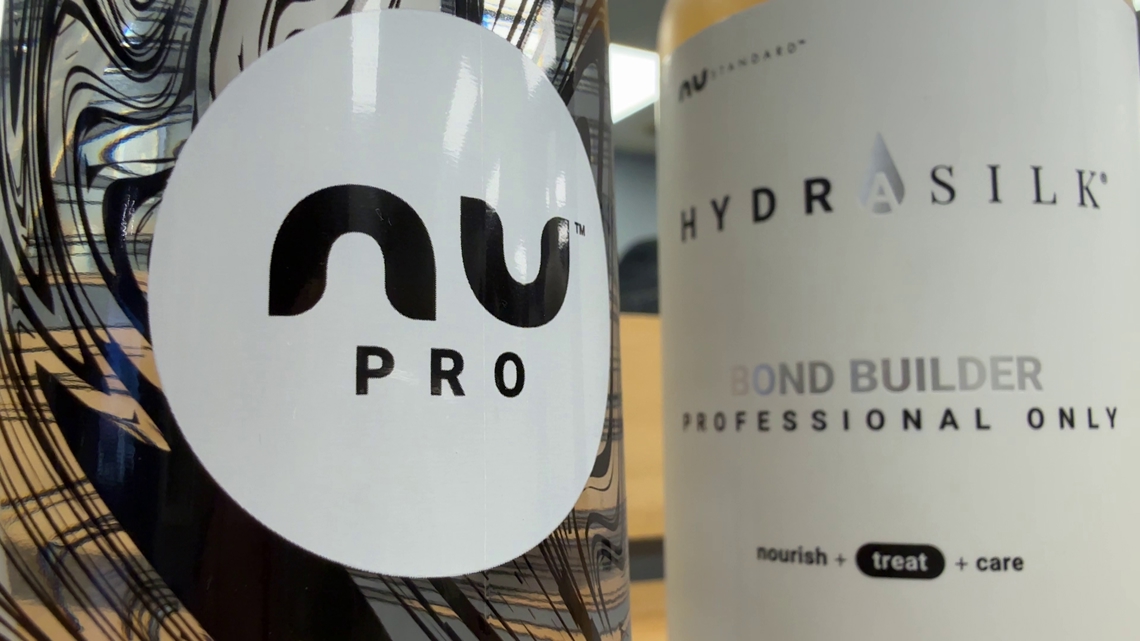
The Nu Standard team makes it a point to be selective about which suppliers and manufacturers they work with, offering transparency about what’s in each product.
“It’s important to look at brands and hold brands accountable,” Yarbrough said.
Her goal? To set a NEW standard as she builds on her family’s legacy.
link